Rifugio Garelli Trekking: Lessons Beyond the Trail
- The mountain as a deliberate choice
- The hike begins before the first step
- The ascent: sweat, silence and existential questions
- Rifugio Garelli: where bread tastes like an achievement
- The descent: lessons you don't see coming
- The data that really counts
- Stats (not to be missed)
- From Pian delle Gorre to Rifugio Garelli and back — in 6 shots
- Useful Resources
Article contents
- The mountain as a deliberate choice
- The hike begins before the first step
- The ascent: sweat, silence and existential questions
- Rifugio Garelli: where bread tastes like an achievement
- The descent: lessons you don't see coming
- The data that really counts
- Stats (not to be missed)
- From Pian delle Gorre to Rifugio Garelli and back — in 6 shots
- Useful Resources
The mountain as a deliberate choice
There is a moment when you have to decide: close the screen or open your eyes to the world. For me, that moment arrived on an August weekend when, instead of scrolling through notifications, I laced up my boots and told my son:
Today we’re heading up to Rifugio Garelli. Just the two of us and the mountain.
No agenda, no metrics, no signal.
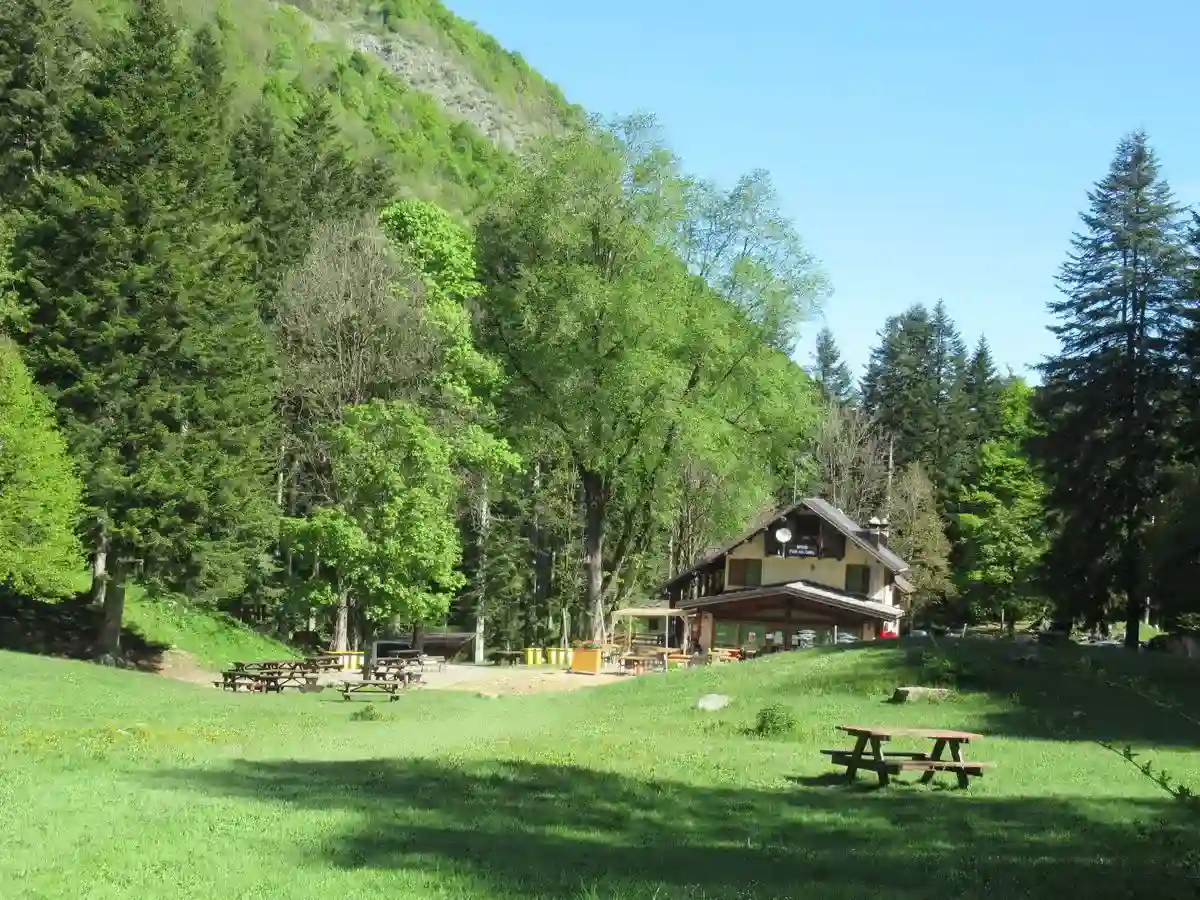
We started from Pian delle Gorre, just above Chiusa di Pesio. The scent of larch trees, a silence heavier than any ringtone. We weren’t there to set a Strava record or chase the perfect Instagram frame. In the language I use at work, this was a system reset — a chance to reconnect the threads that routine quietly frays. Threads made of slow steps, unexpected questions and horizons that need no Wi-Fi.
The hike begins before the first step
The hike begins before the first step
A day out in the mountains doesn’t start on the trail. It starts much earlier — when your eight-year-old fixes you with a sceptical look as you recheck the rucksack for the third time: “Dad, do we really need all this stuff?” I smile, because I know no elaborate explanation is needed. Today there are no numbers to verify, no spreadsheets to fill in. The only objective will be counting how many stones skip across the lake before sinking.
“So no computer today?” he asks, grinning. “No computer today!” I reply — and the path ahead suddenly feels lighter.
The ascent: sweat, silence and existential questions
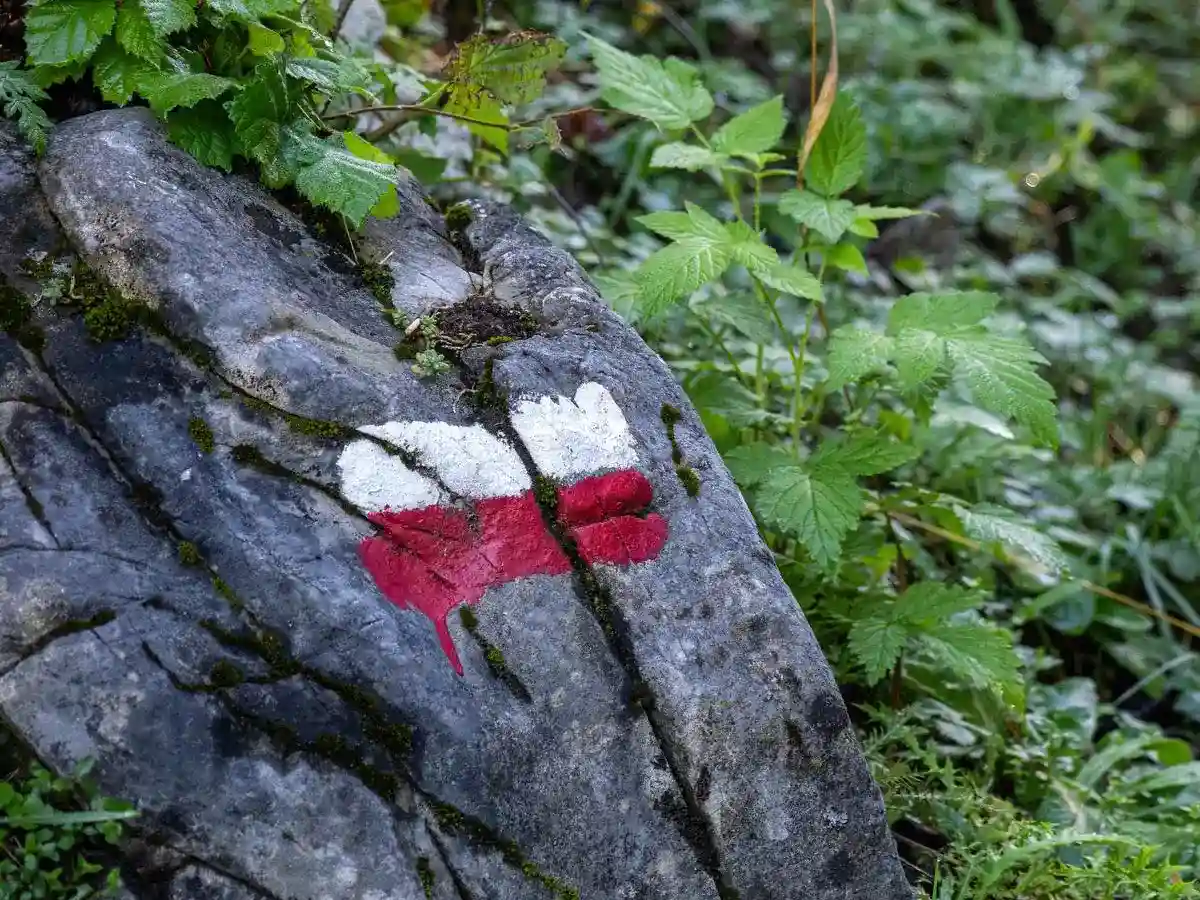
The trail to Rifugio Garelli is a winding ribbon of red earth and exposed roots. It’s not an extreme route, but steep enough to prompt the inevitable mid-climb thought: why didn’t we just stay on the sofa?
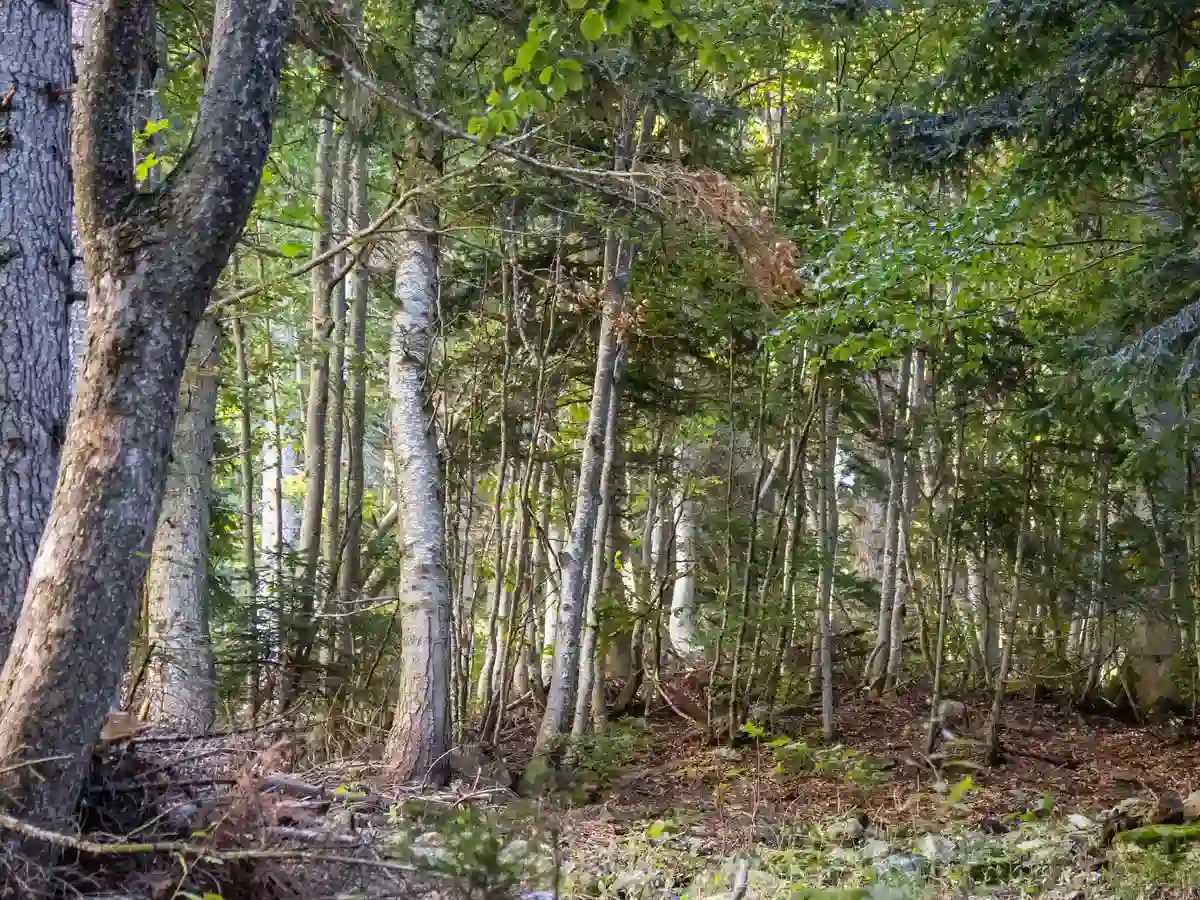
My son, who usually runs like a drone and gets distracted like a smartphone, walks at a different rhythm today. He stops to sniff the bark of a stone pine — “It smells of vanilla!” — and crouches to count ants dragging pine needles twice their size.
Then, at a certain point, he looks up and asks the most unexpected question:
Dad, do mountains grow like me?
That was the first gift of the day. The mountain forces you to simplify. No slides, no jargon. I explained orogeny using a sand cake and a fist pushing upward from below — and he nodded as if it were the most obvious thing in the world.
Rifugio Garelli: where bread tastes like an achievement
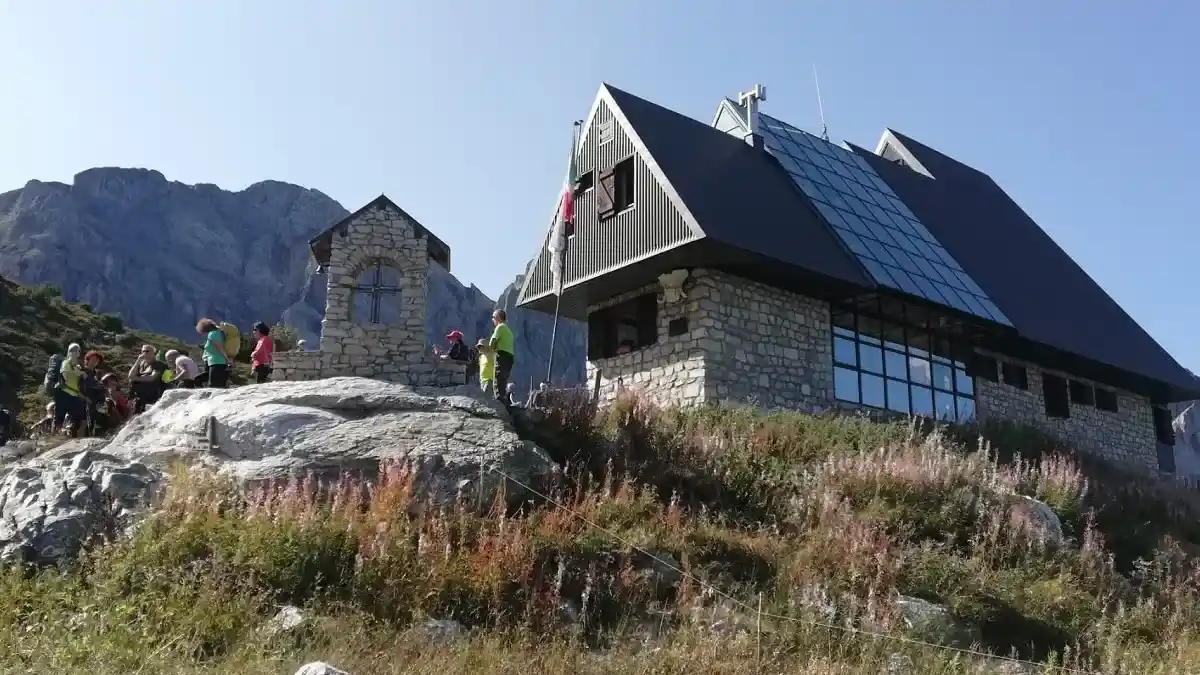
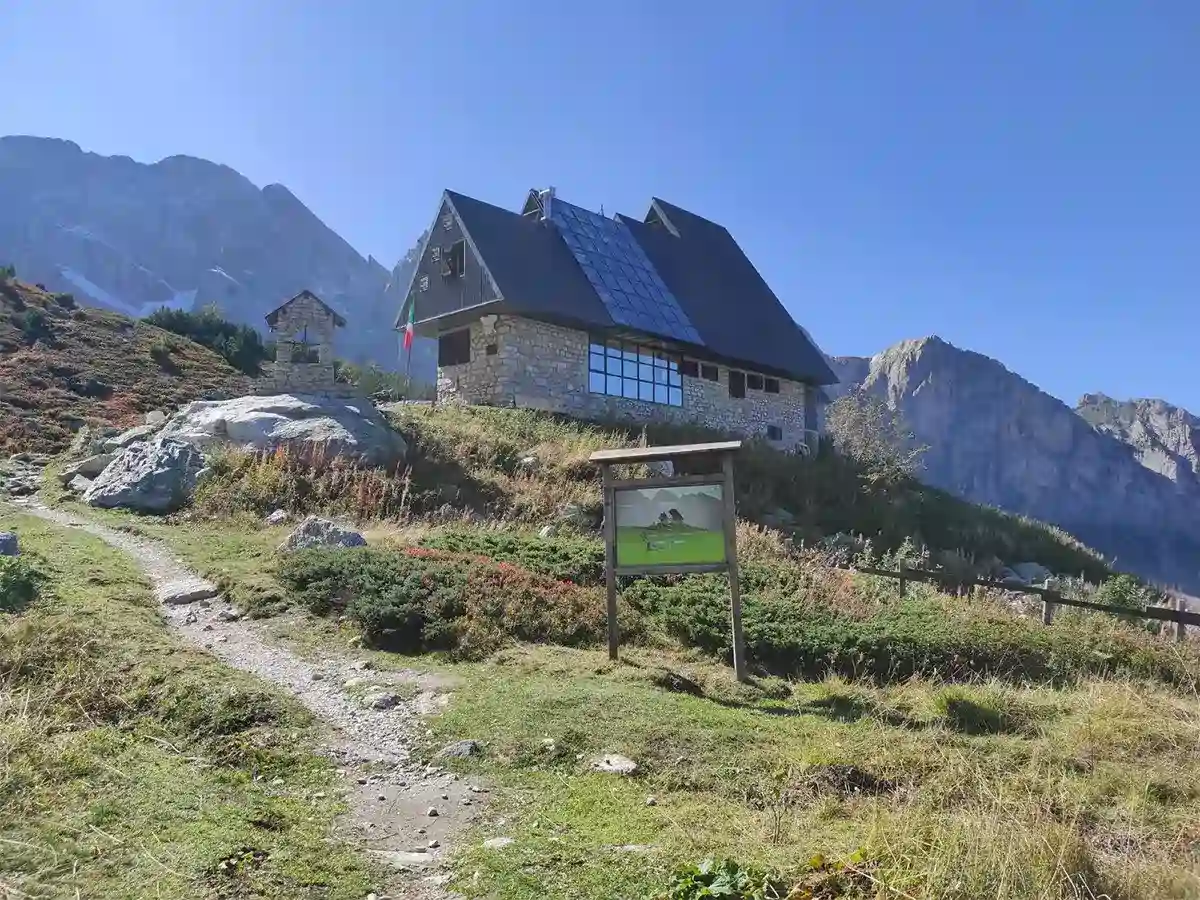
After two hours of climbing, Rifugio Garelli appears like a small miracle of stone and timber. We sit on the grass and share a salami sandwich that tastes of victory. My son, usually the pickiest of eaters, devours it as if it were a Michelin-starred dish.
Do you know why everything tastes better up here? Because we’re hungry, or because it’s magic?
I tell him there is a third option: shared food always tastes different. It’s the same reason the best ideas in the office emerge over a coffee, not in a meeting room with fifty slides. Some things only come into focus when you slow down enough to notice them.
The descent: lessons you don’t see coming
The way down feels easier — and that’s exactly when the real surprises arrive. My son slows, tired, and starts to grumble. Then, without warning, he spots a boulder covered in yellow lichen:
Look, Dad — it’s like a treasure map!
That was the second gift. Exhaustion shifts perspective. What to me was an unremarkable rock becomes, for him, the start of an adventure.
It’s the same principle that applies at work: sometimes a problem viewed from a different angle stops being a problem entirely and becomes an opportunity. The challenge is remembering to change the angle.
Between lichen and raw data:
That yellow patch on the rock was just background noise — until my son turned it into a treasure map. The same thing happens in my work: “dirty” data and anomalies are often discarded because they don’t fit the model. But the mountain reminded me that it’s precisely in those overlooked details that the best insights tend to hide.
Food for thought: to truly innovate, you sometimes need to think like a child and ask yourself — what if this “wrong” data point is actually a map?
The data that really counts
We come back down with muddy boots, pockets full of “essential” stones and not a single perfect photo. But we carry much more than we brought up. The lichen, growing slowly but surviving where nothing else will. The trail, teaching you that the most direct route is rarely the richest one. Time, which stops being linear and compresses the density of a whole week into a few hours.
I return home with one clear certainty: for anyone who works with numbers and forecasts, the mountain is the finest masterclass in unstructured data available. The stones in the rucksack, my son’s questions, even the ache in my legs — these are variables no algorithm can capture. And yet they remind me of one non-negotiable rule: the best insight arrives when you switch off the screen and switch on your senses.
Because supply chains, at the end of the day, are made of people. And people need lichen to observe as much as they need charts to analyse.
Stats (not to be missed)
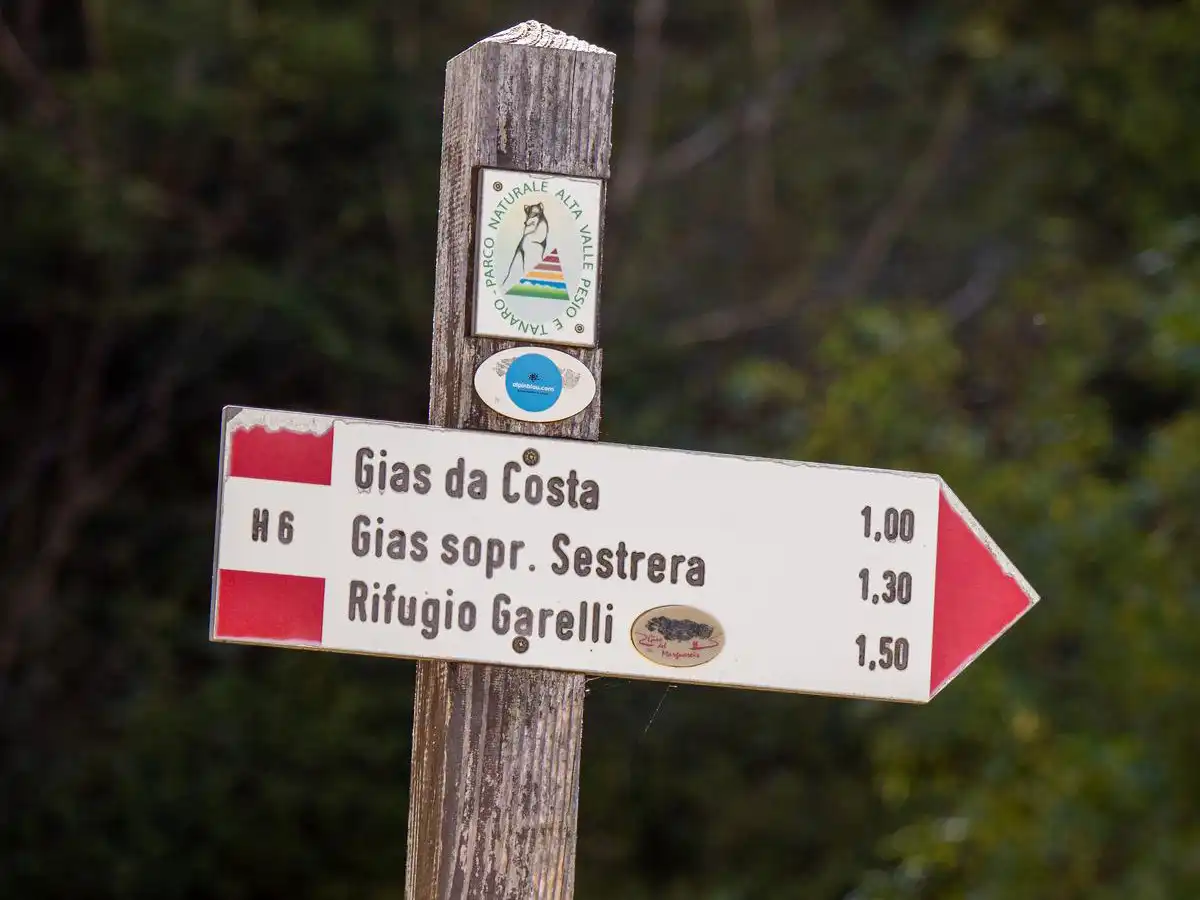
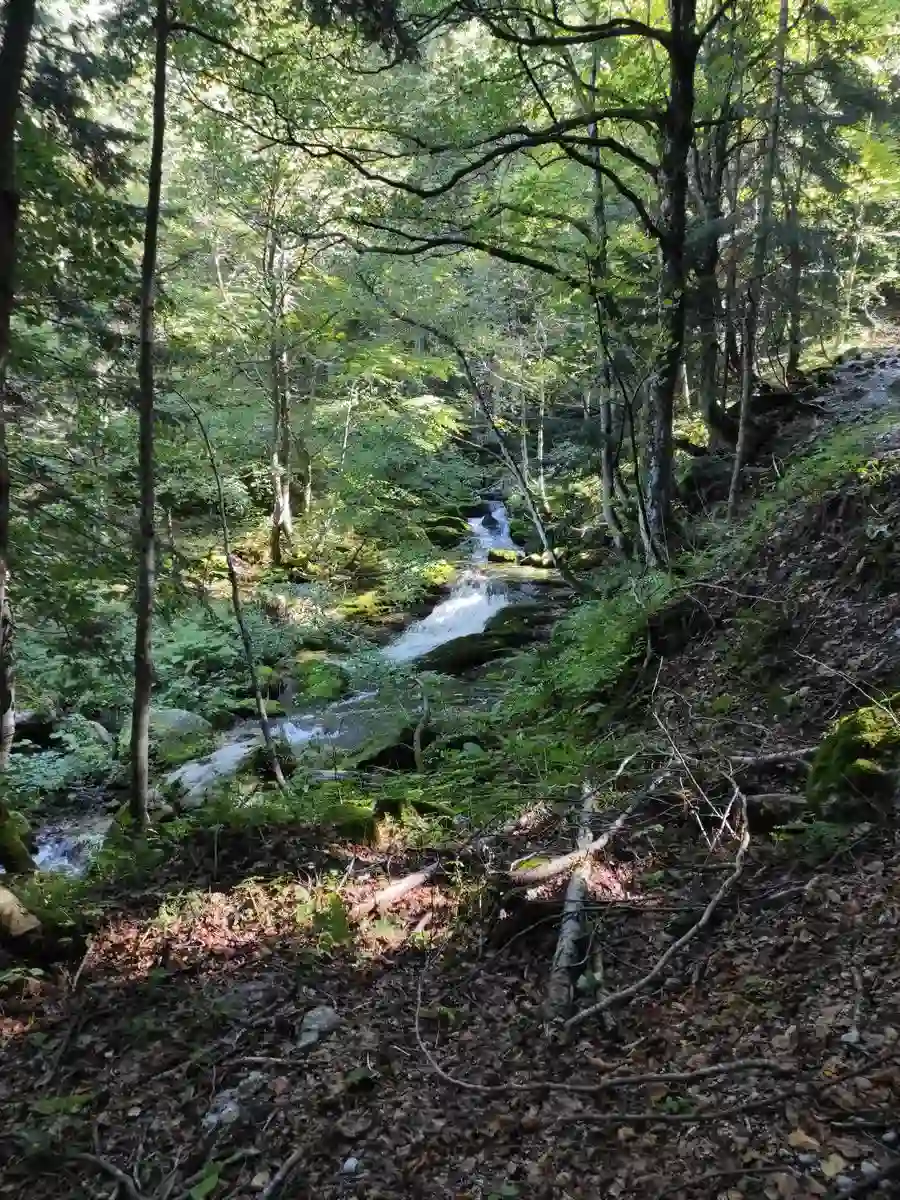
From Pian delle Gorre to Rifugio Garelli and back — in 6 shots
Useful Resources
Rifugio Garelli: History, contacts and itineraries
Share this article